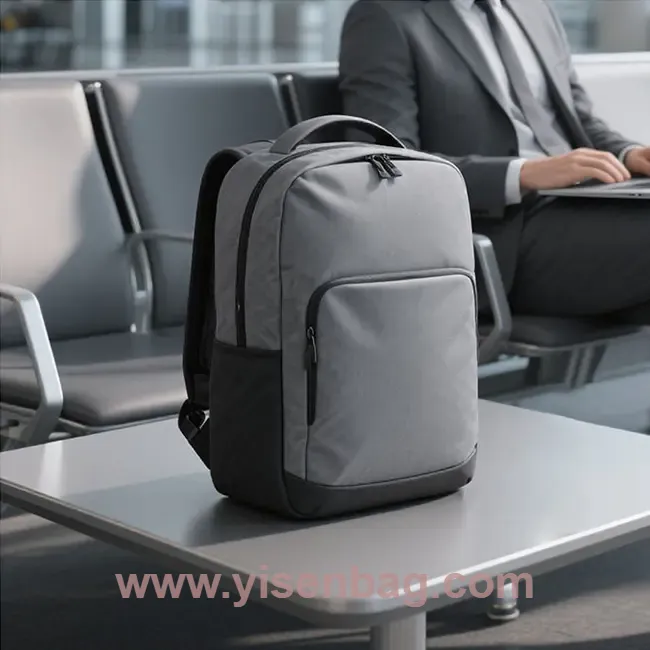

A brand places a sample order with a supplier, waits through three rounds of revisions, and receives a final sample that still differs from the approved tech pack. The communication chain explains the delay: the supplier forwarded the request to a factory, the factory interpreted it, and the answer traveled back through the same path. A Backpack Supplier with in-house production eliminates those hops, because the person reading the tech pack sits in the same building as the cutting table. yisenbag manufactures bags and luggage directly, and the operational difference between a factory and a middleman shapes everything from sample speed to quality control. What actually changes for a buyer when the supplier owns the production line?
Sampling speed reveals the structure quickly. A factory can pull material from its own stock, cut a trial piece on its own equipment, and hand the sample to the same technicians who will supervise mass production. A trading company requests the sample from its partner factory, waits in a queue behind that factory's other clients, and receives a product it may not fully understand. Each revision round adds days, and brands with tight development calendars feel that delay across the entire launch.
Material control determines what the buyer actually receives. A factory buys fabric, zippers, buckles, and webbing in known quantities from known sources, and it can tell a buyer exactly which specification sits inside the finished bag. A trading intermediary sources from whichever factory offers the lowest quote for that order, and material substitutions can occur without the buyer's knowledge. When a brand's reputation rests on a specific fabric hand feel or hardware quality, that visibility matters.
Quality control operates at a different depth. Factories inspect incoming materials, monitor in-process production, and run final checks before packing, and the same management oversees all three stages. Trading companies typically inspect at the end, after the factory has packed, which limits what they can catch. A defect that originates in material selection cannot be corrected by final inspection, and buyers who discover this difference learn to ask where inspection actually happens.
Production scheduling stays visible with a factory. A brand needing delivery by a specific date can discuss capacity, line availability, and material lead times with the people who set the schedule. A trading company negotiates with its partner factory on the buyer's behalf, and the buyer receives an answer filtered through that negotiation. When peak season pressures capacity across the industry, direct access to production planning determines whether an order ships on time or slips into the following month.
ISEN has produced bags since 2010 with multiple manufacturing bases and OEM/ODM experience across luggage, outdoor products, and pet bags, and it handles design, material selection, sampling, and mass production within one operation. Buyers reviewing backpack programs can examine the range at https://www.yisenbag.com for product categories and customization options. A Backpack Supplier that owns its production gives a brand direct answers on materials, schedules, and quality, and ISEN works with clients on specifications, sampling, and delivery planning that match their launch timelines.