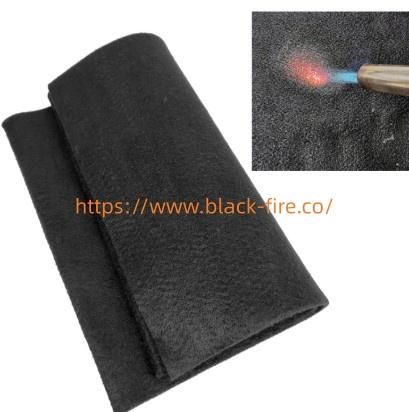
Understanding Fabric Selection for Flame-Resistant Work Environments

Industrial workwear is shaped by the conditions in which people perform their jobs. Clothing may need to accommodate frequent movement, contact with equipment, changing work routines, and exposure to specific workplace hazards. For product developers considering Fireproof Workwear Fabric, the challenge is to balance the textile's intended protective role with the practical needs of garment construction and everyday use. A fabric should be evaluated as part of a complete clothing system, since its composition, surface, flexibility, and interaction with other components all influence the finished garment.
Material selection begins with understanding the role of fibers in the textile. Specialized fibers may be chosen for their response to flame or heat, while other characteristics such as strength, flexibility, and resistance to wear can also matter. Some fabrics use blends or layered structures to address several requirements together. The suitability of a material depends on how these elements work in combination, rather than on a single property. Buyers should request information about fiber composition, finishing methods, and the intended application. This helps them understand what the textile is designed to support and what limitations may need to be considered.
A useful buying process looks beyond a product description and begins with the work being performed. Maintenance technicians, manufacturing personnel, and workers in processing environments may have different clothing requirements. Buyers should identify the tasks, likely exposure conditions, workplace procedures, and relevant safety standards before comparing fabrics. Garment type also matters: a textile used for a jacket may be incorporated differently from one intended for trousers or coveralls. Considering these factors early can help avoid selecting a material that is difficult to integrate or does not align with the intended work environment.
Textile construction affects how a garment performs during repeated use. The arrangement of yarns, the fabric structure, and the interaction of layers influence the way a material bends, drapes, and responds to handling. These properties matter during garment production, particularly around seams, shaped panels, closures, and reinforced areas. A textile that is suitable for a flat sample may require additional evaluation when cut and assembled into clothing. Manufacturers should examine how the material behaves during sewing and finishing, while buyers can review sample garments to understand how construction choices influence the final product.
Functional design also depends on the relationship between the fabric and the garment's features. Pockets, cuffs, fasteners, collar shapes, and reinforcement zones should support the tasks workers need to complete. These elements may affect how easily clothing can be put on, adjusted, or used alongside other workplace equipment. Fabric selection should therefore be coordinated with garment pattern development rather than treated as a separate purchasing decision. A well-integrated design considers the textile's behavior and the garment's intended purpose together, helping manufacturers create clothing that is practical to wear and straightforward to produce.
The experience of wearing protective clothing is influenced by fit, movement, and the way the textile interacts with the body. Workers may need to reach overhead, bend, kneel, or move through confined work areas. Fabric flexibility and garment patterning can affect whether these actions feel natural. Surface texture and the arrangement of garment components may also influence comfort during extended wear. User trials can reveal issues that are difficult to identify from fabric samples alone, such as restricted movement or inconvenient placement of closures. Feedback from workers and garment specialists can help guide adjustments before production is finalized.
Maintenance is another consideration when evaluating workwear textiles. Clothing used in industrial environments may encounter dust, stains, repeated laundering, or routine handling. Buyers should understand the recommended cleaning methods and determine whether particular care practices could affect the fabric's intended properties. Garment manufacturers should provide clear care instructions and ensure that labels communicate appropriate information. Employers may also establish inspection practices for identifying visible damage, worn areas, or other concerns. Any decision about continued use should follow the garment supplier's guidance and applicable workplace procedures.
Appearance and design can support both identification and practical organization. Color choices may help distinguish teams or roles, while panel layouts and garment details can create a consistent visual style. Reflective elements, where required, should be selected and positioned according to the relevant visibility needs and standards. The overall design should remain coordinated with the garment's protective function rather than relying on decoration alone. Zhejiang Taizhou BlackFire Technology Co., Ltd. provides a point of contact for businesses exploring specialized fabrics for protective clothing. Buyers can discuss intended work environments, material preferences, garment construction, and relevant documentation when assessing possible textile options. Further information about the company's products is available at https://www.black-fire.net/product/