
Humane Bee Removal: Safe and Responsible Bee Relocation Guide
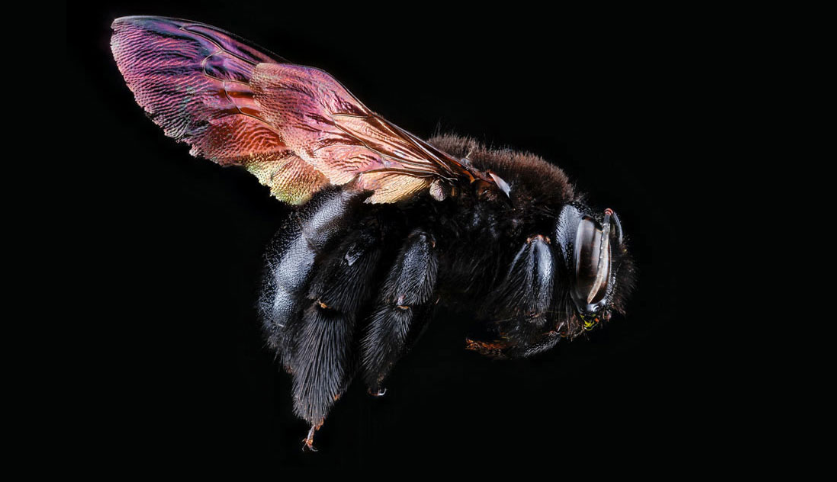
Bees are essential pollinators that support gardens, agriculture, and natural ecosystems. However, when a colony settles near a home, workplace, or frequently used outdoor area, it can create safety concerns. humane bee removal provides an approach focused on resolving the problem while preserving bees whenever practical. Rather than treating every colony as a pest to eliminate, responsible removal considers both human safety and the ecological importance of bees.
Why Humane Bee Removal Is Important
Bees contribute significantly to plant pollination and biodiversity. Eliminating a colony unnecessarily can reduce local pollinator populations, particularly when the insects can be safely relocated.
Humane removal focuses on several objectives:
-
Protecting residents, employees, and visitors
-
Reducing unnecessary harm to bees
-
Removing colonies from unsuitable locations
-
Preserving viable colonies when possible
-
Preventing bees from returning to the same structure
-
Maintaining the condition of the affected property
The exact approach depends on the colony's location, accessibility, size, and condition.
Common Locations for Bee Colonies
Bees can establish colonies in surprisingly small or hidden spaces. Buildings often contain protected cavities that provide shelter from weather and predators.
Common nesting areas include:
-
Wall cavities
-
Attics
-
Roof spaces
-
Chimneys
-
Garages
-
Sheds
-
Tree cavities
-
Eaves and roof overhangs
-
Utility structures
A swarm gathered on a branch or exterior surface may be temporary. Bees sometimes cluster while searching for a permanent nesting location. A professional assessment can help determine whether the activity represents a temporary swarm or an established colony.
How Responsible Bee Relocation Works
The process generally starts with an inspection. A trained professional identifies the bees, determines where they are entering and exiting, and looks for signs of an established nest.
The specialist then evaluates the safest way to access the colony without causing unnecessary disturbance. Depending on the circumstances, bees may be carefully removed and transferred to a suitable location.
If the colony is inside a building, simply removing visible bees may not solve the problem. Honeycomb, wax, and other hive materials may remain inside the cavity. Proper removal of these materials and appropriate sealing of the opening can help discourage future colonies from using the same space.
Why DIY Bee Removal Can Be Problematic
Attempting to handle an established colony without the right knowledge can create unnecessary risks. Disturbing bees may cause defensive behavior, potentially exposing people and pets to stings.
DIY methods can also leave part of the colony behind. Blocking an entrance without removing the hive may cause bees to search for another exit, sometimes leading them farther into a structure.
Household chemicals are also not a substitute for proper removal. They may damage surfaces, contaminate areas, or create additional cleanup problems.
For these reasons, professional evaluation is generally a better option when a colony is established in or around a property.
Benefits of Professional Bee Relocation
Working with an experienced specialist can make the removal process more controlled and predictable.
Improved Safety
Professionals understand how to approach colonies and can recommend appropriate precautions for people and pets nearby.
Preservation of Bees
When conditions permit, relocation provides an opportunity to preserve the colony instead of destroying it.
Complete Hive Management
Removing bees without addressing the nest can leave behind materials that attract insects or encourage future nesting. Professional services can assess the entire problem.
Property Protection
Careful removal can help minimize unnecessary damage to walls, roofs, trees, and other structures.
Choosing a Responsible Bee Removal Provider
Not every company approaches bee management in the same way. Property owners should look for a provider that demonstrates experience with bee identification, relocation, and structural hive removal.
Before hiring a service, consider:
-
Experience with local bee colonies
-
Humane handling practices
-
Clear explanation of the removal process
-
Appropriate safety procedures
-
Experience with structural infestations
-
Hive and honeycomb removal
-
Preventive recommendations
-
Transparent pricing and service details
A reliable provider should also explain what can realistically be achieved rather than promising that every colony can be relocated regardless of circumstances.
Preventing Future Bee Nesting
Once a colony has been removed, prevention is an important final step. Property owners should inspect the surrounding structure for cracks, holes, damaged screens, and other openings.
Potential preventative measures include:
-
Sealing accessible wall and roof gaps
-
Repairing damaged exterior materials
-
Maintaining chimney covers where appropriate
-
Inspecting attics and rooflines
-
Checking tree cavities around frequently used areas
-
Keeping outdoor structures in good condition
Regular property inspections can help identify potential nesting locations before they become larger problems.
FAQs
1. What does humane bee removal mean?
It generally refers to removing bees with the goal of minimizing unnecessary harm and relocating viable colonies when practical and safe.
2. Can every bee colony be relocated?
Not necessarily. The possibility depends on factors such as the colony's location, accessibility, condition, species, and surrounding safety concerns.
3. Should I remove a bee nest myself?
It is usually better to have an experienced professional assess an established colony, particularly when bees are inside walls, roofs, attics, or other enclosed spaces.
Conclusion
Responsible bee management can protect people while recognizing the valuable role bees play in the environment. Humane Bee Removal offers a practical approach that prioritizes careful assessment, safe handling, colony preservation when possible, and proper cleanup. By working with experienced professionals and addressing structural entry points after removal, property owners can reduce future bee problems while supporting responsible pollinator management.

 Arabic
 French
 Spanish
 Portuguese
 Deutsch
 Turkish
 Dutch
Dutch
 Italiano
 Russian
 Romaian
 Portuguese (Brazil)
 Greek
Greek