


 About
About
Efficiency at Its Best: The Role of Space Planning and Design in Turnkey Projects
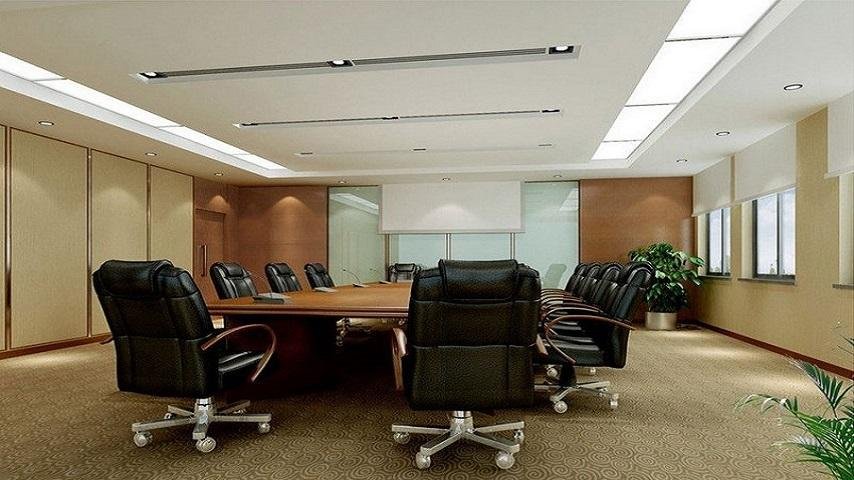
Efficiency is the cornerstone of any successful turnkey project. Whether designing offices, laboratories, retail spaces, or commercial facilities, the way space is planned and designed directly influences project timelines, cost control, functionality, and long-term usability. In turnkey projects, space planning and design are not isolated stages—they are the foundation that guides every decision from concept to handover.
This article explores how effective space planning and design drive efficiency in turnkey projects and deliver spaces that are both practical and performance-driven.
Understanding Space Planning in Turnkey Projects
Space planning is the strategic process of organizing physical areas to support specific functions and user needs. In turnkey projects, space planning happens early and influences architectural, interior, and engineering decisions.
Key objectives of space planning include:
- Optimal utilization of available square footage
- Logical arrangement of work zones and circulation paths
- Alignment between user requirements and spatial layout
When space planning is done correctly, it prevents costly changes later in the project lifecycle.
Design Integration for Seamless Execution
One of the defining features of turnkey projects is integrated design and execution. Space planning, interior design, and technical services are developed together rather than in isolation.
This integrated approach ensures:
- Consistency between design intent and final output
- Smooth coordination between civil, electrical, and mechanical systems
- Reduced design conflicts and execution errors
By aligning all disciplines early, turnkey projects achieve higher efficiency and predictable outcomes.
Enhancing Workflow Through Intelligent Layouts
Effective space planning focuses on how people move, interact, and work within a space. Poor layouts create bottlenecks, while well-designed layouts enhance productivity.
Efficient layouts are achieved by:
- Minimizing unnecessary movement between functional areas
- Clearly defining zones for focused work, collaboration, and support functions
- Designing circulation paths that improve accessibility and safety
These considerations result in spaces that support daily operations seamlessly.
Cost and Time Efficiency Through Early Planning
In turnkey projects, time and budget control are critical. Thoughtful space planning during the design phase significantly reduces delays and cost overruns.
Efficiency benefits include:
- Accurate material estimation and procurement
- Fewer design changes during execution
- Faster approvals and smoother project workflows
Early planning allows teams to anticipate challenges and address them proactively.
Flexibility and Future Readiness in Design
Modern turnkey projects are designed with adaptability in mind. Space planning now considers future expansion, changing work patterns, and evolving technology needs.
Future-ready design features include:
- Modular layouts that allow easy reconfiguration
- Multi-purpose spaces that support diverse functions
- Infrastructure planning that accommodates future upgrades
This flexibility ensures long-term efficiency beyond project completion.
Space Optimization Without Compromising Comfort
Efficiency does not mean overcrowding. Smart space planning balances maximum utilization with user comfort and wellbeing.
This balance is achieved through:
- Ergonomic furniture placement
- Adequate lighting and ventilation planning
- Thoughtful spacing between workstations and common areas
Comfortable environments enhance productivity and reduce operational stress.
The Role of Design Consistency in Turnkey Success
Design consistency is a critical efficiency factor in turnkey projects. When design standards are maintained across all areas, execution becomes smoother and faster.
Consistent design delivers:
- Streamlined procurement and installation processes
- Uniform quality and aesthetics
- Easier maintenance and facility management
Consistency reduces complexity and enhances overall project efficiency.
Risk Reduction Through Centralized Responsibility
Turnkey projects operate under a single point of accountability. Space planning and design decisions are coordinated under one team, reducing communication gaps.
This centralized approach:
- Minimizes misinterpretation of design intent
- Improves issue resolution speed
- Enhances quality control throughout the project
As a result, projects progress with fewer disruptions.
Conclusion
Efficiency in turnkey projects is driven by strategic space planning and well-integrated design. When layouts are thoughtfully planned and design decisions are aligned from the beginning, projects benefit from faster execution, better cost control, and improved functionality.
From Concept to Completion: How Turnkey Office Projects Offer Fully Customized Furniture and Interior Solutions
The Power of Turnkey Office Interiors: Complete Ready-to-Use Workspaces without the Hassle

 Arabic
 French
 Spanish
 Portuguese
 Deutsch
 Turkish
 Dutch
Dutch
 Italiano
 Russian
 Romaian
 Portuguese (Brazil)
 Greek
Greek