
Materials and Technology in Supportive Seating
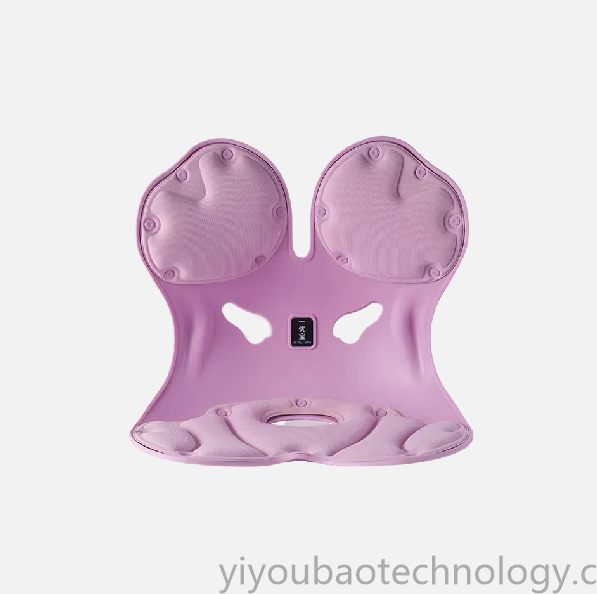
A Lumbar Support Posture Corrector Chair combines seating design with features intended to encourage greater awareness of sitting position. Rather than forcing users to maintain one rigid posture, a well-designed chair should provide supportive contact while allowing natural movement. Its overall usability depends on the relationship between the seat, backrest, cushioning materials, adjustment features, and manufacturing quality.
Material selection is fundamental to chair development. Foam provides cushioning and responds to pressure from the user's body, but its resilience and recovery characteristics influence how it behaves over time. Different foam structures produce different seating experiences. Manufacturers must therefore consider the intended application, expected usage patterns, and desired level of support before selecting a material combination.
The outer surface contributes to comfort, durability, and maintenance. Fabric and other covering materials can differ in texture, breathability, friction resistance, and cleaning requirements. Breathable surfaces may be useful for chairs used throughout the working day, while durable textiles can help withstand repeated movement. For shared offices or commercial environments, easy-care materials may also simplify routine maintenance.
Ergonomic shaping should support the body's natural position without unnecessarily restricting movement. A carefully designed backrest can create a suitable contact area for the lower back, while the seat surface should provide comfortable support. These elements need to work together because users experience the chair as a complete system. A backrest that feels appropriate in isolation may not perform as expected if its position does not work well with the seat.
Posture awareness is different from rigid posture control. People naturally change position while sitting, especially during longer work sessions. A supportive chair should accommodate these changes rather than prevent them. Curved surfaces, responsive cushioning, and practical adjustment features can help users find a comfortable arrangement. Regular movement and breaks remain important parts of healthy sitting habits, so product design should prioritize adaptability and usability.
Adjustment mechanisms can make seating products more flexible for different users. Depending on the design, users may be able to change the backrest position or modify other support elements. These functions should be intuitive and easy to operate. Complicated controls can discourage users from making adjustments, while simple mechanisms make it easier to adapt the chair to different activities and preferences.
Manufacturing technology determines how reliably these design features are reproduced. Production may include foam shaping, material cutting, molding, sewing, assembly, and final inspection. Each stage requires suitable process control. Inconsistent material placement or inaccurate assembly can affect the finished product's appearance, stability, and comfort. Standardized procedures help reduce unnecessary variation between production batches.
Quality control should evaluate both materials and finished assemblies. Manufacturers can inspect foam consistency, fabric condition, stitching, fastening points, and structural connections. Functional checks may also evaluate adjustment mechanisms and the stability of support components during ordinary use. These inspections help identify defects before products are packed and shipped, supporting more dependable supply for B2B customers.
Safety should be incorporated into product development. Structural components should be securely assembled, and the chair should remain stable during normal use. Seams, edges, and connection points should be finished carefully. Materials must be suitable for the intended environment, while support structures should avoid creating unnecessary pressure or unstable contact. The design should encourage comfortable positioning rather than rely on restrictive construction.
Customization allows manufacturers to serve different customer groups. B2B buyers may request particular fabrics, colors, support structures, adjustment methods, packaging formats, or private-label branding. Manufacturers should evaluate these requirements during sampling to determine whether proposed changes affect fit, usability, or construction quality. Clear communication at this stage helps reduce misunderstandings and supports smoother production planning.
Durability is closely connected with material quality and manufacturing consistency. Resilient cushioning, strong seams, and stable structural components can help products withstand repeated use. Efficient cutting and production methods may reduce material waste, while suitable packaging can protect products during transportation. These considerations can improve the practicality of products distributed across international markets.
For businesses assessing a Lumbar Support Posture Corrector Chair, the key considerations include ergonomic structure, material performance, adjustment functions, safety, manufacturing consistency, and long-term usability. Yongkang Yiyoubao Technology Co. Ltd. offers seating support products for different application requirements, with further information available at https://www.yiyoubaotechnology.com/product/lumbar-supports-seat-cushions/.

 English
 Arabic
 French
 Spanish
 Portuguese
 Deutsch
 Turkish
 Dutch
Dutch
 Italiano
 Russian
 Romaian
 Portuguese (Brazil)