


 Environ
Blood Test Service: Everything You Need to Know Before Booking
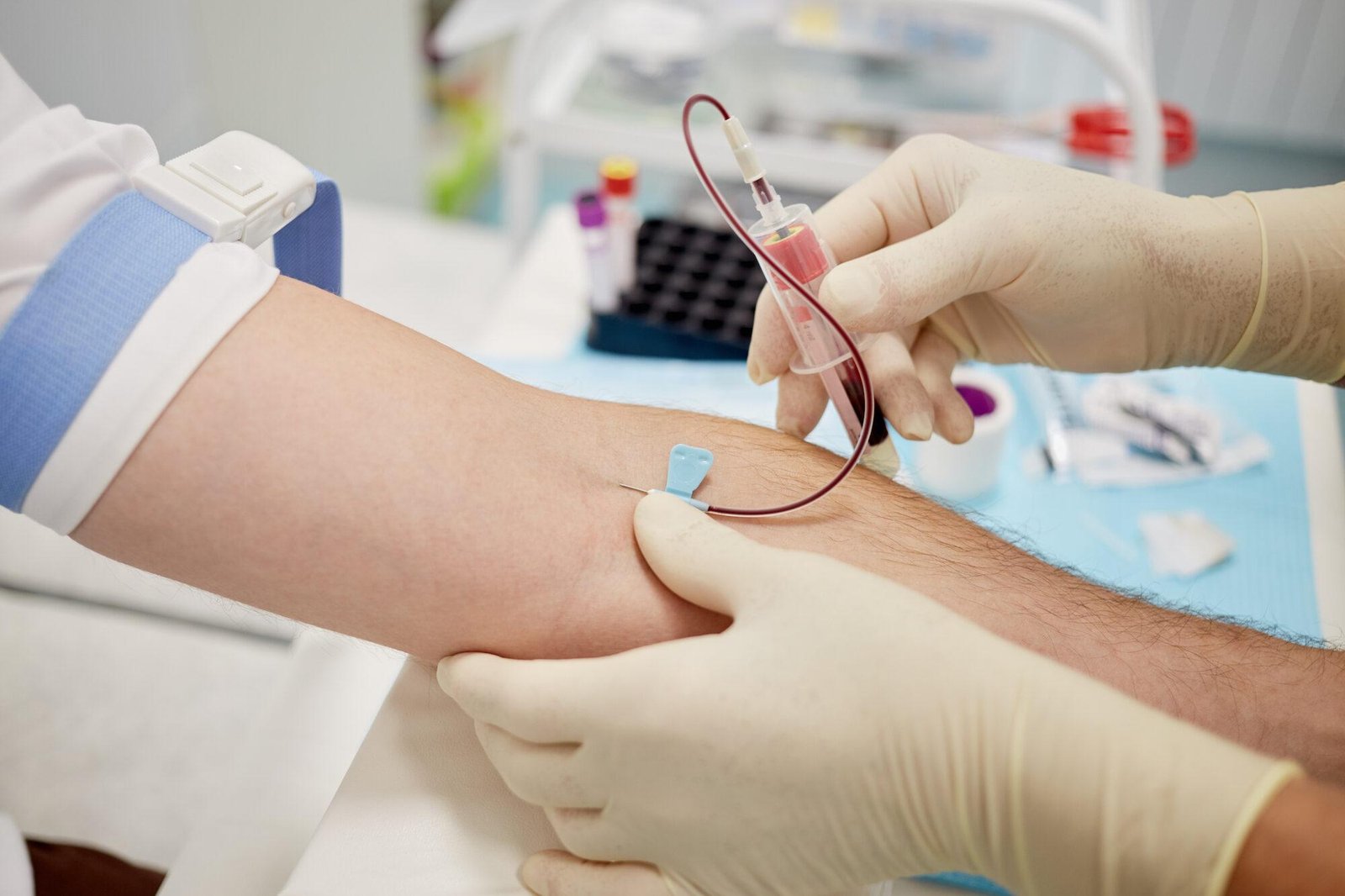
A blood test service plays a vital role in modern healthcare by providing valuable insights into your overall health. Whether you are monitoring an existing medical condition, checking nutritional deficiencies, or undergoing routine health screening, blood tests help healthcare professionals make informed decisions about your well-being.
With increasing awareness of preventive healthcare, more people are choosing Blood test in Dubai as a proactive way to track important health markers. Before scheduling a blood test, it is essential to understand how the process works, what types of tests are available, and how to prepare for accurate results.
Why Blood Testing Matters for Your Health?
Blood carries vital information about how your body functions. Through laboratory analysis, healthcare providers can assess organ performance, identify infections, evaluate nutrient levels, and detect potential health concerns before symptoms become severe.
Regular blood testing can help with:
-
Early disease detection
-
Monitoring chronic health conditions
-
Assessing immune system function
-
Evaluating heart health
-
Measuring blood sugar levels
-
Identifying vitamin and mineral deficiencies
-
Tracking treatment effectiveness
Preventive health screening through blood tests often allows individuals to address medical issues before they become more serious.
Understanding Different Types of Blood Tests:
Not all blood tests serve the same purpose. Depending on your health concerns and medical history, different tests may be recommended.
Complete Blood Count (CBC):
A Complete Blood Count is one of the most common diagnostic tests. It measures several components of your blood, including:
-
Red blood cells
-
White blood cells
-
Hemoglobin
-
Hematocrit
-
Platelets
This test helps detect infections, anemia, immune disorders, and various other health conditions.
Blood Glucose Testing:
Blood glucose tests measure sugar levels in the bloodstream. They are commonly used to diagnose and monitor diabetes and prediabetes.
Healthcare professionals may recommend fasting blood sugar tests or HbA1c testing for long-term glucose monitoring.
Lipid Profile Test:
A lipid profile evaluates cholesterol and triglyceride levels. This information is important for assessing cardiovascular health and identifying risk factors for heart disease and stroke.
Liver Function Tests:
Liver function tests measure enzymes and proteins produced by the liver. These tests help identify liver inflammation, infection, or damage.
Kidney Function Tests:
Kidney health can be assessed through blood markers such as creatinine and blood urea nitrogen. These indicators reveal how effectively the kidneys filter waste from the body.
Vitamin and Nutrient Testing:
Blood tests can identify deficiencies in essential nutrients including:
-
Vitamin D
-
Vitamin B12
-
Iron
-
Folate
-
Calcium
Nutritional testing is especially valuable for individuals experiencing fatigue, weakness, or dietary imbalances.
Signs You May Need a Blood Test Service:
Many people wait until symptoms appear before seeking medical evaluation. However, blood testing can be beneficial even when you feel healthy.
Consider scheduling a blood test if you experience:
-
Persistent fatigue
-
Unexplained weight changes
-
Frequent infections
-
Dizziness
-
High blood pressure
-
Increased thirst
-
Digestive problems
-
Hair loss
-
Changes in energy levels
Routine wellness screening is also recommended for individuals with a family history of chronic diseases.
How to Prepare Before Booking a Blood Test?
Proper preparation is essential for obtaining accurate laboratory results.
Understand Test Requirements:
Some blood tests require fasting, while others do not. Always verify preparation instructions beforehand.
Fasting tests generally require avoiding food and beverages except water for several hours before sample collection.
Inform Your Healthcare Provider About Medications:
Certain medications and supplements may influence blood test results. Inform your healthcare provider about all prescription drugs, over-the-counter medications, and dietary supplements you are taking.
Stay Hydrated:
Drinking water before your appointment can make blood collection easier and may improve sample quality.
Avoid Excessive Exercise:
Strenuous physical activity before testing can temporarily affect certain blood markers. Moderate activity is generally acceptable unless otherwise instructed.
What Happens During a Blood Test Appointment?
Understanding the testing process can reduce anxiety and help you feel more comfortable.
During the appointment:
-
A healthcare professional verifies your information.
-
The collection site is cleaned with an antiseptic solution.
-
A sterile needle is used to draw a blood sample.
-
The sample is collected into laboratory tubes.
-
A bandage is applied after collection.
Most blood draws take only a few minutes, and discomfort is usually minimal.
How Long Does It Take to Receive Results?
The turnaround time depends on the complexity of the blood test service being performed.
Basic laboratory tests may be available within one or two days, while specialized diagnostic testing can take longer.
Healthcare providers review the findings and explain what the results mean based on your medical history and symptoms.
Understanding Blood Test Results:
Receiving laboratory results can sometimes feel overwhelming due to medical terminology and numerical values.
Normal ranges may vary depending on:
-
Age
-
Gender
-
Health status
-
Testing methodology
A result outside the standard range does not automatically indicate a serious medical condition. Healthcare professionals interpret findings within the broader context of your health profile.
Always discuss abnormal results with a qualified medical expert before drawing conclusions.
Common Benefits of Regular Blood Testing:
Routine blood testing offers numerous advantages for maintaining long-term health.
Early Detection of Health Conditions:
Many diseases develop silently without noticeable symptoms. Blood analysis can reveal early warning signs before complications arise.
Better Disease Management:
Individuals living with diabetes, thyroid disorders, cardiovascular disease, or kidney conditions often rely on regular blood monitoring to guide treatment decisions.
Personalized Healthcare:
Blood test results provide valuable information that allows healthcare providers to create customized health plans tailored to individual needs.
Improved Health Awareness:
Regular screening encourages proactive health management and helps individuals make informed lifestyle choices.
Questions to Ask Before Booking a Blood Test Service:
Before scheduling a blood test, consider asking:
-
Which specific tests are recommended?
-
Do I need to fast beforehand?
-
How should I prepare?
-
How long will results take?
-
What health markers will be evaluated?
-
Will follow-up testing be necessary?
Asking these questions can help ensure a smooth testing experience and accurate results.
Choosing the Right Blood Test Service:
Selecting a reliable blood testing provider is an important step in obtaining accurate health information.
Look for:
-
Qualified laboratory professionals
-
Modern diagnostic equipment
-
Strict quality control procedures
-
Comprehensive testing options
-
Clear reporting processes
-
Strong patient support
Reliable testing services prioritize accuracy, safety, and confidentiality throughout the entire diagnostic process.
Final Thoughts:
A blood Lab tests service is one of the most effective tools for monitoring health, identifying potential medical concerns, and supporting preventive care. Whether you need routine health screening, chronic disease monitoring, or nutritional assessment, understanding the testing process can help you feel confident when booking your appointment.
By preparing properly, knowing which tests are relevant to your needs, and reviewing results with healthcare professionals, you can gain valuable insights into your overall well-being. Regular blood testing remains a powerful component of proactive healthcare, helping individuals make informed decisions and maintain better long-term health.

 English
 Arabic
 Spanish
 Portuguese
 Deutsch
 Turkish
 Dutch
Dutch
 Italiano
 Russian
 Romaian
 Portuguese (Brazil)
 Greek
Greek