
Shower Tent in the UAE: Uses, Features, and Practical Considerations
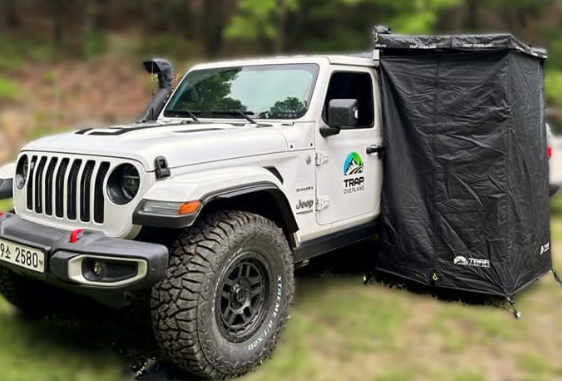
A shower tent is a portable enclosure designed to provide privacy for showering or changing clothes in outdoor settings. In the UAE, where outdoor activities can take place across deserts, campsites, beaches, and remote areas, a shower tent can serve as a practical temporary facility. Its primary purpose is to create a private space where conventional bathroom facilities are unavailable.
The design of a shower tent generally focuses on privacy, portability, ventilation, and ease of setup. Different models can vary in size, structure, materials, and additional features, but the basic function remains the same: providing an enclosed area for outdoor personal hygiene or changing.
What Is a Shower Tent?
A shower tent is a freestanding or semi-supported shelter with enclosed walls that limit visibility from outside. It is typically constructed from lightweight fabric supported by poles or a folding frame. Some designs include a roof, while others have an open or partially ventilated upper section.
The enclosure may contain openings for ventilation, entry doors, storage pockets, or spaces designed to accommodate a portable shower system. Depending on its intended use, a shower tent may also be used as a changing room or private toilet enclosure.
Unlike a permanent bathroom structure, it can generally be assembled, dismantled, and transported when required. This makes it suitable for temporary outdoor arrangements.
Shower Tents and the UAE Environment
The UAE's climate has a significant influence on outdoor equipment. High temperatures, strong sunlight, dust, and occasional wind can affect the usability of temporary shelters. A shower tent used in the UAE therefore needs to be considered in relation to the environment in which it will be placed.
Desert locations can expose a shower tent to fine sand and wind. If the structure is not adequately secured, strong gusts may affect its stability. Anchoring methods can therefore be important when the tent is used in open areas.
In coastal locations, humidity and salt exposure may create different maintenance requirements. Materials and metal components can require cleaning and drying after use, particularly when the shower tent is exposed to seawater or damp conditions.
Common Uses of a Shower Tent
The most direct use of a shower tent is outdoor showering. A portable water source and shower system can be positioned inside the enclosure, allowing the user to maintain privacy while washing.
A shower tent can also function as a changing area. This can be useful at campsites, beaches, or remote outdoor locations where indoor changing facilities are unavailable. Some people may use the enclosure for changing after swimming, hiking, or other outdoor activities.
Another possible use is as a temporary private enclosure for portable sanitation equipment. In such situations, the shower tent provides visual privacy rather than functioning as a permanent bathroom.
Important Design Features
Several design characteristics influence how a shower tent performs outdoors. Height is one consideration, particularly when the enclosure is intended for standing use. A taller structure can provide greater comfort, while a compact design may be easier to transport.
Ventilation is also important. A fully enclosed fabric shelter can become warm, particularly under direct UAE sunlight. Mesh panels, vents, or partially open sections can allow airflow while maintaining privacy.
Water resistance may be another consideration, depending on the intended use. However, a shower tent does not necessarily need to be completely waterproof because its primary purpose is privacy rather than protection from heavy rain.
The floor design can also vary. Some shower tents have integrated floors, while others are open at the bottom. An integrated floor can provide additional privacy and help define the showering area, whereas an open base may allow water to drain more easily.
Setting Up a Shower Tent
The setup process depends on the structure of the shower tent. Many portable designs use interconnected poles, folding frames, or spring-loaded mechanisms. Before installation, the selected area should be reasonably level and free from sharp objects that could damage the fabric.
In sandy areas, the structure may require additional anchoring because loose ground can provide less resistance against wind. On harder surfaces, suitable weights or compatible securing methods may be needed.
The shower tent should also be positioned with consideration for drainage. Water from a portable shower should not accumulate around the enclosure or create unnecessary erosion.
Maintenance and Storage
Regular maintenance can extend the usable life of a shower tent. After use, sand, dust, and moisture should be removed from the fabric and frame. If the tent becomes wet, it should be allowed to dry thoroughly before storage to reduce the possibility of mould or unpleasant odours.
In the UAE's dusty environment, cleaning may be required more frequently. Zippers, poles, joints, and other moving components can also be checked periodically for accumulated sand or signs of damage.
When storing the tent, it should be folded according to its design instructions and kept in a dry location away from prolonged direct sunlight. Extended exposure to ultraviolet radiation can gradually affect some fabrics and materials.
Choosing a Suitable Location
The location of a shower tent can affect both safety and practicality. It should be positioned away from unstable slopes, areas prone to sudden water flow, and locations where vehicles may pass. In desert environments, avoiding exposed areas with significant wind can improve stability.
Local rules should also be considered. Certain beaches, protected areas, campsites, and public spaces may have restrictions concerning temporary structures, wastewater, or outdoor activities.
Conclusion
A shower tent provides a temporary private space for outdoor showering, changing, and certain sanitation arrangements. In the UAE, its usefulness is closely connected to the country's desert, coastal, and camping environments. Factors such as ventilation, stability, drainage, material durability, portability, and maintenance can influence how effectively a shower tent performs.
For outdoor use, understanding the surrounding environment is as important as understanding the structure itself. Proper setup, responsible water disposal, regular cleaning, and appropriate storage can help maintain the condition of a shower tent while supporting responsible use in different outdoor settings.

 English
 Arabic
 French
 Spanish
 Portuguese
 Deutsch
 Turkish
 Dutch
Dutch
 Italiano
 Russian
 Romaian
 Portuguese (Brazil)