
How to Install a Gravel Driveway? A Complete Guide
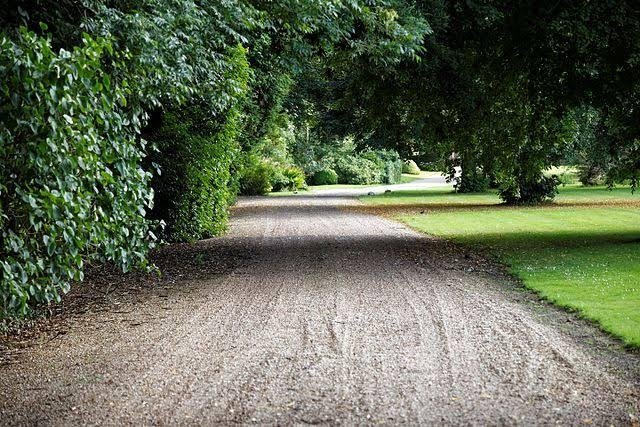
Learning how to install a gravel driveway starts with understanding how this type of driveway is constructed. A gravel driveway is an outdoor driving surface made from layers of stone or crushed aggregate placed over prepared ground. Unlike asphalt or concrete, gravel does not form one solid slab, which means proper preparation and regular maintenance are important for keeping the surface stable and usable. Gravel driveways can provide a natural appearance and can work well with many residential landscapes. The final result depends heavily on the condition of the soil, the base material, the selected gravel, drainage, grading, and compaction. A properly planned gravel driveway can provide a practical entrance to a home while complementing the surrounding property.
How Should You Plan a Gravel Driveway?
Before learning how to install a gravel driveway, homeowners should carefully plan the location, width, length, shape, and intended use of the driveway. Consider how many vehicles will use it, whether larger trucks or delivery vehicles need access, and how the driveway connects with the street and garage. You should also examine nearby landscaping, trees, retaining walls, drainage areas, and the natural slope of the property. Marking the proposed driveway with stakes and string or landscape marking paint can help you visualize the final layout. Accurate measurements are also useful for calculating how much excavation, base material, and surface gravel will be needed. Good planning can reduce material waste and help prevent drainage or access problems later.
What Should You Check Before Digging?
An important part of how to install a gravel driveway is checking the site before excavation begins. Underground utility lines, pipes, cables, drainage systems, and other buried infrastructure can create serious hazards if they are damaged during digging. Homeowners should contact the appropriate utility locating service before excavation and follow local requirements. Lowe's also recommends contacting 811 before digging for outdoor projects because underground utilities may not always be visible from the surface. In addition to utility checks, examine the existing soil and identify areas where water naturally collects. Understanding the existing conditions before excavation makes it easier to plan the driveway foundation, grading, and drainage system. (lowes.com)
How Deep Should You Excavate for a Gravel Driveway?
Excavation is one of the most important stages when learning how to install a gravel driveway because the driveway needs enough space for its foundation and surface layers. The exact excavation depth depends on soil conditions, climate, expected traffic, drainage requirements, and the selected driveway design. Loose organic material such as grass, roots, leaves, and topsoil should generally be removed because it does not provide the stable foundation needed for vehicle traffic. The bottom of the excavation should then be shaped and compacted. Rather than choosing one depth for every property, homeowners should consider local conditions and the required thickness of the base and surface materials. A professional can help determine the appropriate construction depth for difficult or heavily used sites.
How Should the Soil Be Prepared?
Preparing the subgrade correctly is a major part of how to install a gravel driveway because the gravel depends on the soil beneath it for support. After removing vegetation and unsuitable material, the exposed soil should be graded and compacted as evenly as possible. Low areas may need additional suitable material, while soft or unstable sections may require additional correction before the aggregate base is installed. Compaction reduces loose areas and helps create a more consistent foundation for the driveway. If the soil remains weak or saturated, adding surface gravel alone may not solve the problem. The condition of the subgrade should therefore be considered before moving forward with the next layer. Proper preparation underneath the driveway can significantly affect how well the finished surface performs.
Why Is a Gravel Base Important?
Understanding how to install a gravel driveway requires knowing the difference between the foundation layer and the visible surface gravel. A properly selected base material can provide structural support, improve stability, and help distribute vehicle loads across the prepared ground. The base is generally made from a compactable crushed aggregate rather than loose decorative stone. Material can be placed in manageable layers and compacted as the driveway is built. Lowe's installation guidance for aggregate-based outdoor projects emphasizes spreading base material in layers and compacting it to create a stable foundation. The exact thickness for a driveway should be determined according to the site's soil, drainage, climate, and expected traffic rather than simply copying a patio or walkway specification. (lowes.com)
How Should the Gravel Base Be Compacted?
Compaction is a critical step in how to install a gravel driveway because loose aggregate can shift under vehicle loads. After the base material is spread, it should be compacted using suitable equipment, such as a plate compactor or other appropriate compaction machinery. For a larger driveway, professional equipment can produce a more consistent result than manually tamping the entire area. The material should be spread evenly and compacted in stages rather than creating a deep loose layer and attempting to compact only the top. Proper compaction can help reduce future settlement and uneven areas. If water is introduced during compaction, it should be done according to the material and site requirements rather than saturating the driveway unnecessarily.
How Does Drainage Affect a Gravel Driveway?
Drainage is one of the most important considerations when learning how to install a gravel driveway because water can quickly affect an improperly graded surface. A driveway should be shaped so that rainwater does not remain trapped in low spots or flow toward areas where it can damage the driveway foundation or home's structure. The exact drainage design depends on the slope and layout of the property. Some sites may require swales, drainage channels, culverts, catch basins, or other drainage solutions. Lowe's drainage guidance emphasizes maintaining consistent slopes in drainage systems so water can flow toward its intended outlet. For properties with significant drainage challenges, professional evaluation may be necessary before installing the driveway. (lowes.com)
What Type of Gravel Should You Use?
Choosing the right stone is another important part of how to install a gravel driveway. Not every type of gravel is equally suitable for vehicle traffic. Angular crushed stone can interlock more effectively than very smooth, rounded decorative gravel, which may move more easily under tires. A driveway can use different aggregate sizes for its foundation and visible surface depending on the design and local material availability. The surface gravel should provide the desired appearance while also being practical for driving and maintenance. Homeowners should also consider color, texture, dust production, drainage, availability, and compatibility with the underlying base. A local aggregate supplier or paving professional can help identify materials suitable for the property's soil and expected traffic.
Should You Use Landscape Fabric Under a Gravel Driveway?
Landscape fabric or geotextile material can be considered when learning how to install a gravel driveway, particularly where soil and aggregate need to remain separated. A suitable permeable geotextile can help prevent fine soil particles from migrating upward into the gravel while allowing water to move through the material. However, fabric selection and placement should depend on the site conditions rather than being treated as mandatory for every driveway. Extremely soft soils, wet areas, or sites with poor subgrade conditions may require a more engineered approach. The fabric should be installed according to its manufacturer's instructions, with overlaps and anchoring handled properly. The primary goal is to maintain separation and stability between the native soil and aggregate layers where conditions warrant it.
How Should the Driveway Be Graded?
Grading is a key part of how to install a gravel driveway because it determines how vehicles travel across the surface and how rainwater moves through the property. The driveway should not simply be made flat if the site requires a slope for drainage. Instead, the grade should be planned so water moves away from vulnerable structures and toward an appropriate drainage area. Low spots should be corrected before the final gravel is installed because adding loose gravel to a depression may only provide a temporary solution. Long driveways may require careful transitions between different elevations. Professional grading equipment can be useful for larger projects because it allows the surface to be shaped more consistently before the final aggregate is placed.
How Should the Final Gravel Layer Be Installed?
Once the foundation is properly prepared, the next stage in how to install a gravel driveway is placing the surface layer. The selected driveway gravel should be distributed evenly across the prepared base rather than dumped into large piles and left uneven. A grading rake or similar tool can help spread the material, while larger equipment may be needed for a full-size residential driveway. The final surface should maintain the planned drainage pattern and provide enough material to create a stable driving surface. It is important not to make the top layer unnecessarily deep because excessive loose gravel can make driving and walking more difficult. The final thickness should be based on the driveway design, aggregate type, and expected traffic.
How Should the Gravel Be Compacted?
Compaction remains important even after the surface gravel has been installed, which is why it is an essential part of how to install a gravel driveway. Depending on the type of gravel and driveway design, some surfaces may benefit from controlled compaction to settle the aggregate and improve stability. However, not every decorative top gravel is intended to be heavily compacted, so the aggregate supplier's recommendations should be followed. If the surface is being compacted, work evenly across the driveway rather than repeatedly concentrating equipment in one small area. After compaction, inspect the surface for low spots, loose areas, or areas where water may collect. Correcting these issues before regular vehicle use can help maintain a more consistent driveway.
How Can You Create Strong Driveway Edges?
Strong edges can help define the driveway and reduce the movement of gravel into lawns, planting beds, or neighboring areas. When learning how to install a gravel driveway, consider whether the site would benefit from stone borders, edging, curbs, timber restraints, or another suitable perimeter treatment. The correct choice depends on the home's style, budget, drainage conditions, and driveway design. Edges are particularly useful on sloped properties where loose gravel may migrate downhill over time. They can also make routine maintenance easier because the boundary between the driveway and surrounding landscaping is clearly defined. Any edging system should be installed securely and should not interfere with the driveway's planned drainage path.
What Are Common Gravel Driveway Installation Mistakes?
Avoiding mistakes is an important part of learning how to install a gravel driveway because many driveway problems begin beneath the visible surface. One common mistake is placing gravel directly over grass or unstable topsoil without proper excavation. Another is using only decorative gravel without creating a suitable structural foundation. Poor grading can lead to standing water, while insufficient compaction can cause ruts and uneven settlement. Using the wrong gravel size can also make the driveway difficult to maintain. Another common problem is failing to control the edges, allowing aggregate to spread into surrounding landscaping. Taking time to prepare the subgrade, establish drainage, build the base, and install appropriate surface material can help reduce these issues.
How Does Long Island Weather Affect Gravel Driveways?
For homeowners researching how to install a gravel driveway in Long Island, weather and seasonal ground conditions should be considered during planning. Rain can wash loose material into low areas, while freezing and thawing can affect the soil beneath the driveway. Poor drainage can make these problems worse by keeping the subgrade excessively wet. A properly graded driveway with an appropriate aggregate foundation can be better prepared to handle changing conditions than a surface installed directly over poorly prepared soil. Seasonal maintenance is also useful because heavy rain and winter conditions can reveal new ruts, low spots, or areas where gravel has migrated. Regular inspection allows homeowners to address small problems before they become larger maintenance issues.
How Should a Gravel Driveway Be Maintained?
After learning how to install a gravel driveway, regular maintenance is necessary to keep the surface in good condition. Raking can redistribute gravel that has shifted from vehicle traffic, while adding fresh material can restore areas that have become thin. Potholes should be addressed by removing loose material, adding suitable gravel, and compacting the repaired section rather than simply throwing loose stones into the hole. Lowe's guidance for gravel driveway potholes recommends cleaning out loose material, adding fresh gravel, and compacting the repair so it can better withstand vehicle loads. Drainage should also be monitored after major rainfall because water movement can contribute to gravel displacement. (lowes.com)
How Do You Repair Ruts in a Gravel Driveway?
Ruts can develop when vehicles repeatedly travel through the same areas, especially when the driveway foundation is weak or water is affecting the surface. Understanding how to install a gravel driveway correctly can help reduce this problem because proper excavation, base preparation, grading, and compaction create a more stable foundation. When repairing an existing rut, simply adding loose gravel to the top may not provide a lasting solution. The damaged section should be evaluated, loose material removed or redistributed as appropriate, and fresh aggregate added where necessary. The repaired area should then be graded and compacted. If ruts continue returning in the same location, investigate drainage and subgrade conditions instead of repeatedly adding surface gravel.
Can You Install a Gravel Driveway Yourself?
Learning how to install a gravel driveway can be a realistic DIY project for some homeowners, particularly when the driveway is small, the terrain is manageable, and the necessary equipment is available. However, a full driveway requires substantial excavation, material handling, grading, compaction, and careful planning. Gravel is heavy, and moving enough material for a residential driveway can require delivery equipment or machinery. Larger or sloped properties can also create drainage challenges that are difficult to solve without professional experience. Homeowners should evaluate the size of the project, soil conditions, available tools, and their ability to achieve the required grading and compaction. For complex installations, professional help can make the construction process more efficient and predictable.
When Should You Hire a Professional?
Knowing how to install a gravel driveway is useful even if you ultimately decide to hire a professional because it helps you understand the major stages of the project. Professional assistance can be especially valuable for long driveways, steep properties, soft soils, drainage problems, heavy vehicle use, or sites requiring extensive excavation. A contractor can evaluate the existing ground, establish grades, determine suitable aggregate layers, and use appropriate equipment for excavation and compaction. Professional installation may also reduce the risk of repeatedly correcting drainage problems or unstable areas after construction. Before hiring a contractor, homeowners should discuss the proposed base, surface material, drainage plan, grading, maintenance expectations, and overall project scope.
How to Install a Gravel Driveway for Long-Term Performance
The best approach to how to install a gravel driveway is to think about the project as a complete system rather than simply spreading stones across the yard. The driveway needs a suitable location, proper excavation, stable subgrade, appropriate base material, effective drainage, accurate grading, suitable surface gravel, and consistent compaction. Each layer contributes to the performance of the finished driveway. For homeowners in West Babylon, Long Island, New York, local weather, soil, drainage, and traffic conditions should be considered when planning a new gravel driveway. Proper installation followed by regular grading, raking, drainage inspection, and pothole repair can help maintain a functional and attractive driveway for years.
How Can Professional Gravel Driveway Services Help?
For homeowners who want to know how to install a gravel driveway but prefer professional assistance, an experienced paving and masonry contractor can help plan and complete the project according to the property's specific conditions. Professional support can include site preparation, excavation, grading, drainage planning, aggregate installation, compaction, and driveway maintenance. A well-prepared gravel driveway can improve vehicle access while creating a practical transition between the street, garage, and surrounding landscape. Homeowners in West Babylon and other Long Island communities should consider the property's soil, slope, drainage, and expected traffic before selecting a driveway design. For professional paving, masonry, and exterior improvement solutions, Promaster Maintenance Corp Paving and Masonry can help homeowners develop an approach suited to their property's needs.

 English
 Arabic
 French
 Spanish
 Portuguese
 Deutsch
 Turkish
 Dutch
Dutch
 Italiano
 Russian
 Romaian
 Greek
Greek